Mill Record Waterbury
RETURN TO ‘FIND MILLS’Disclaimer: Content for these properties was compiled in 2014-2017 from a variety of sources and is subject to change. Updates are occasionally made under Property Information, however the Connecticut Trust for Historic Preservation (dba Preservation Connecticut) makes no representation or warranty that the information is complete or up-to-date.
- Complex Name (Common)
- Blake and Johnson Co.
- Complex Name (Historic)
-
- Blake and Johnson Co.
- Address or Location
- 1495 Thomaston Avenue, Waterville, Waterbury
- County
- New Haven
- Historic Designation
- Associated Mill Community
- n/a
- Historic Information
Companies Associated w/Complex
- Blake and Johnson Co. 1909-1980
Use (Historic)
Largest Documented Workforce
n/a
Historic Narrative
Blake and Johnson Co. represents the machine-building sector of Waterbury's brass industry. Although not used primarily for machine building, these are among the few, if not the only, standing structures that were associated with that crucial part of the city's industrial base. Machinists J. P. Blake and C. W. Johnson organized their firm in 1852. They developed heading machines to make rivets and screws, and small re-rolling mills for jewelry and flatware producers. In the 1860s Blake and Johnson supplied cartridge-making machinery to U. S. arsenals and developed a machine to form hairpins. Their line came to include Slitters, presses, grinders, machines for rolling threads and others for forming wire. In 1870 the shop employed 30 people and produced 20 re-rolling mills, 32 presses, 8 rivet-headers and several special-order machines. Blake and Johnson also manufactured hardware, such as bolts, screws, rivets, pins and piano trimmings, that was made on the firm's own machines. The Blake and Johnson East Main St. machine shop and the original hardware production shop on North Elm St. have been demolished. In 1909 Blake and Johnson erected this factory for hardware manufacture. Blake and Johnson operated here until 1980. Cross and Speirs, E. J. Manville Co., Kirk and Welton and other Waterbury shops also made specialized machinery to fabricate many different metal products. They also made attachments for, and their own versions of, more standard equipment such as power presses used for buttons, lamps and other goods. The Waterbury-Farrel Foundry and Machine Co. (not extant) was the pre-eminent machinery producer in Waterbury. It started in 1851 as a branch of Farrel Foundry and Machine Co., which was based in Ansonia. In 1880 the Waterbury branch became independent. The Ansonia plant continued making rolling mills and other heavy millwork, while Waterbury-Farrel made a broad range of machine tools and fabricating equipment. Waterbury-Farrel's plant and workforce grew to a size comparable to that of the major brass producers, but the other machine shops had more limited product lines and tended to remain smaller. (Roth)
- Architectural Information
Number of Existing Buildings
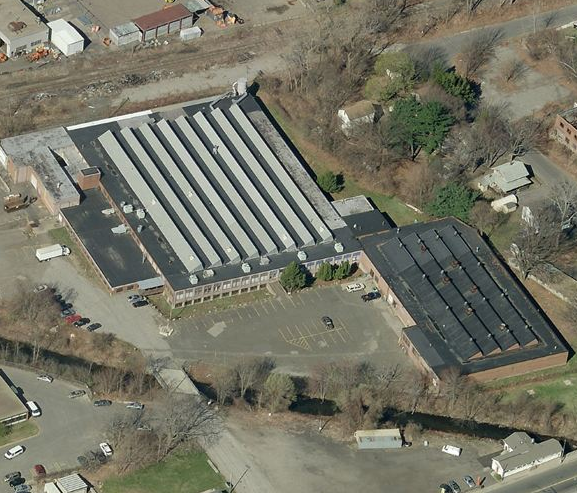
Two (2) primary blocks plus modern addition.
Dates of Construction
1909
Architect
n/a
Builder
n/a
Building Type
Architectural Description
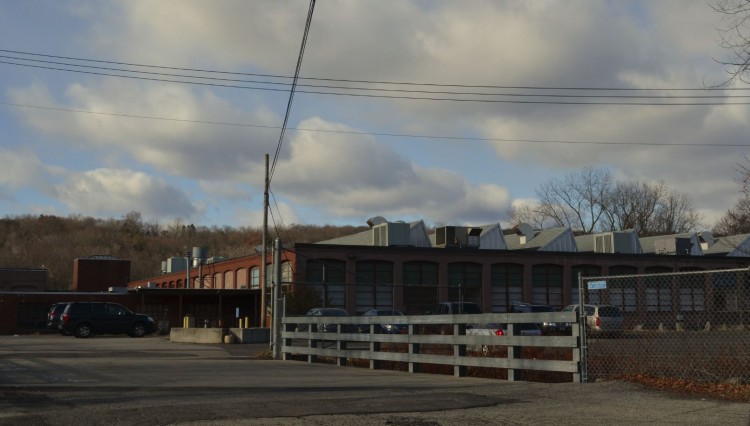
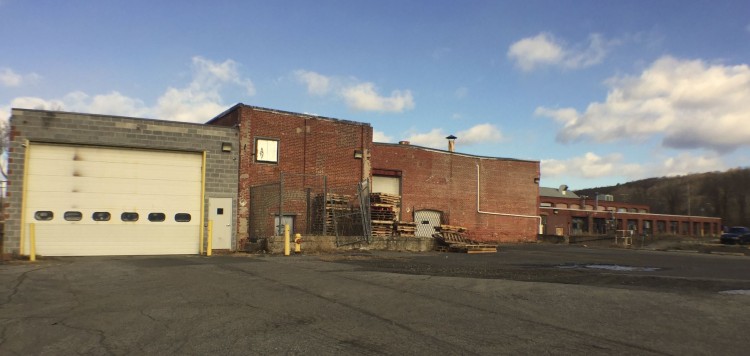
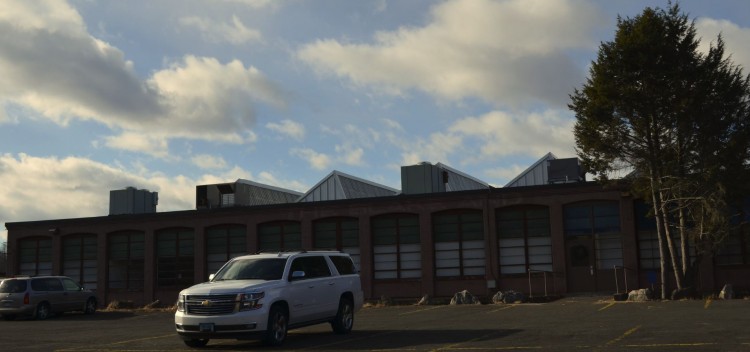
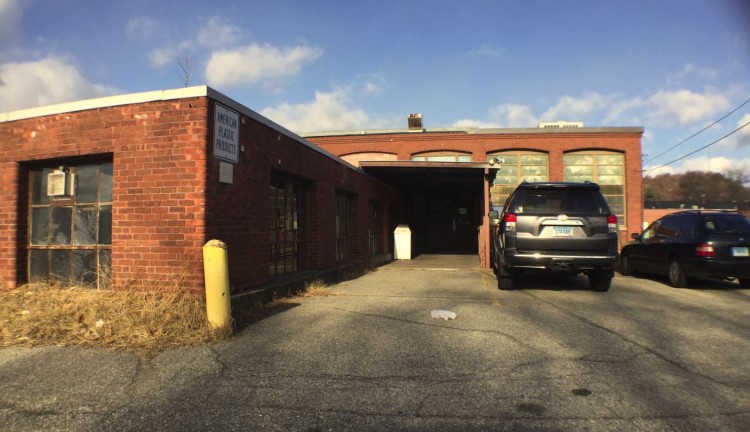
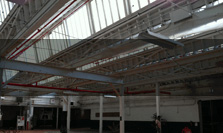
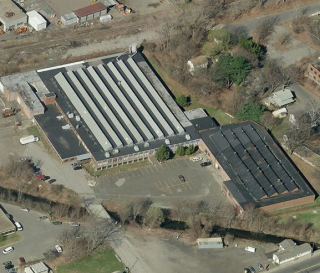
One-story and 260' x 200', it has a sawtooth roof, brick walls and concrete foundation. Adjacent is the 1-story, 80' x 50' brick power house. (Roth)
Exterior Material(s)
Structural System(s)
n/a
Roof Form
Roof Material
n/a
Power Source
n/a
Condition
n/a
Condition Notes
n/a
- Property Information
-
Specific Location
One 7.14 acre parcel on the west side of Thomaston Avenue south of Chapel Street.
Adjacent To
Exterior Visible from Public Road?
Yes
Parcel ID / Assessor Record Link
- 0087-0973-0008 / Link →
Acreage
7.14
Use (Present)
- Sources
-
Form Completed By
n/a
Date
n/a
Bibliography
- Roth, Matthew, et al, Connecticut: An Inventory of Historic Engineering and Industrial Sites (Washington DC: SIA, 1981).
- Representative View(s)Click on image to view full file
-




Photographer
n/a
Photography Date
n/a